Osteopathy for Back Pain in Orillia: What to Expect From a Manual Osteopath
Back pain is one of the most common reasons people book with a Manual Osteopath. Whether it started after a long day of yard work, crept in from hours at a desk, or keeps coming back no matter what you try, osteopathy offers a hands-on, whole-body approach to finding out why your back hurts, not just where.
If you are looking into osteopathy for back pain in Orillia, here is what the treatment involves, who it can help, and what to expect at your first appointment at Movement Space.
What Is Osteopathy?
Osteopathy is a manual therapy that looks at how the body's structures (muscles, joints, fascia and the nervous system) work together. A Manual Osteopathic Practitioner uses their hands to assess areas of restriction, tension or poor mobility, then applies gentle techniques to help the body move and function more freely.
The key idea is that the painful area is not always the source of the problem. Low back pain, for example, can be influenced by how your hips move, how your rib cage expands when you breathe, or even an old ankle injury that changed the way you walk.
How Osteopathy Can Help Back Pain
Every treatment is individual, but osteopathy for back pain commonly aims to:
- Improve mobility in stiff joints of the spine, pelvis and hips
- Reduce protective muscle tension and guarding
- Address restrictions in surrounding areas that load the low back
- Support better posture and movement patterns
- Help you return to daily activities, work and sport with more confidence
Osteopathy is often a good fit for people with ongoing or recurring low back pain, mid-back stiffness, pain linked to desk work or driving, and back pain that shows up alongside hip, neck or shoulder issues.
What Happens at Your First Osteopathic Treatment
1. A conversation about your history
Your Manual Osteopath will ask when the pain started, what makes it better or worse, your work and activity levels, past injuries, and your goals. This helps build a full picture before any hands-on work begins.
2. A movement and postural assessment
Expect to be asked to bend, rotate, stand on one leg or walk. Your practitioner will watch how your body moves as a whole and then feel for areas of restriction or tension.
3. Hands-on treatment
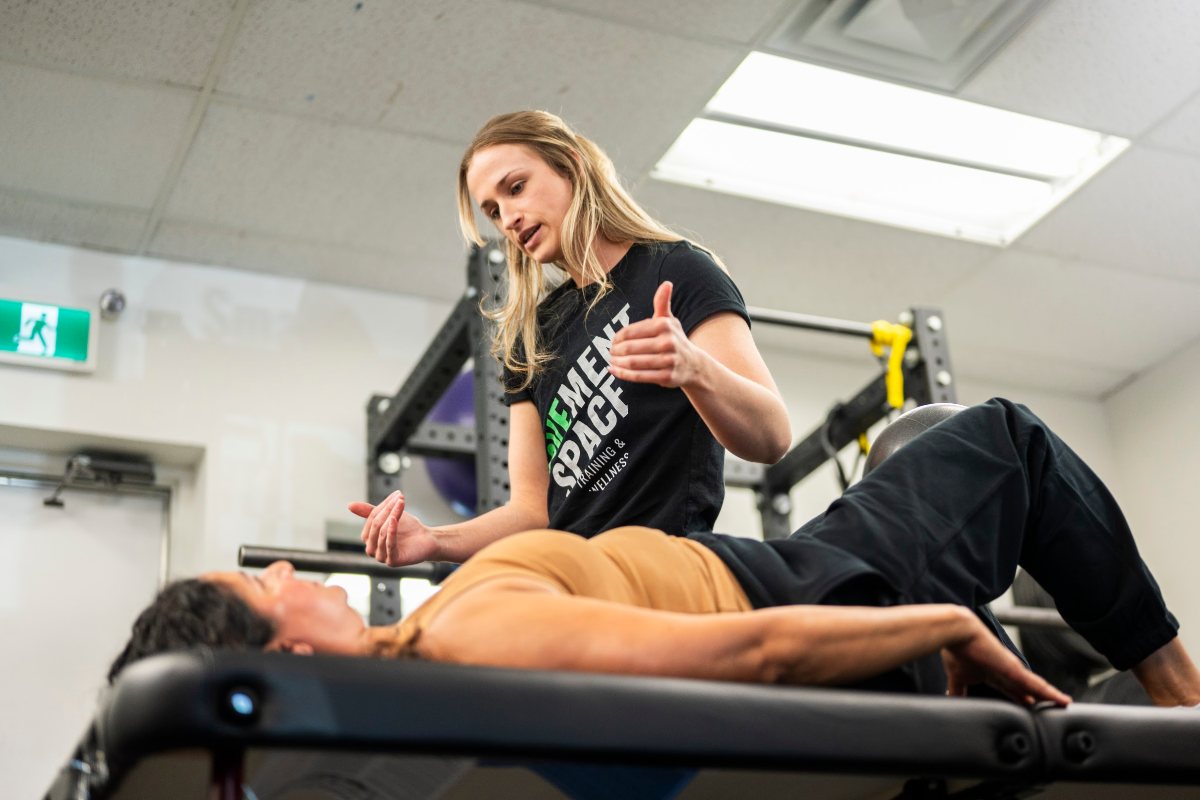
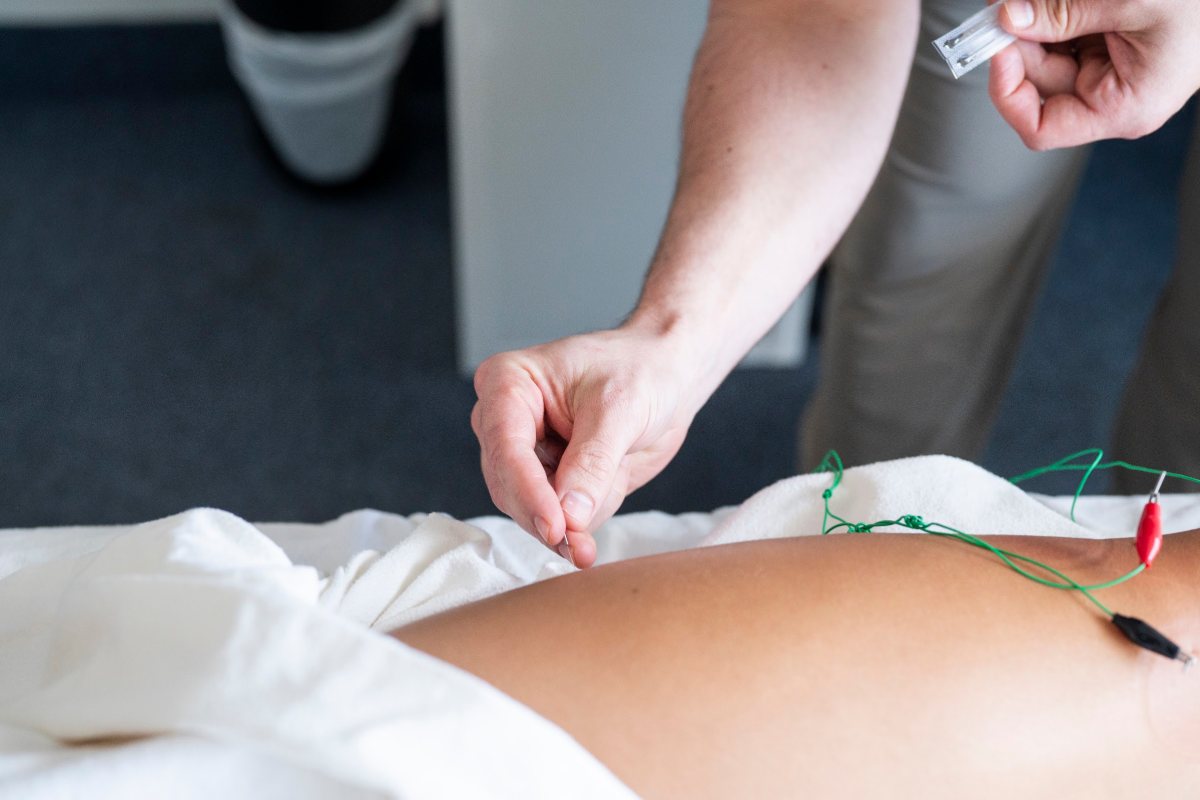
Techniques may include soft tissue work, gentle joint mobilization, muscle energy techniques and myofascial release. Treatment is generally gentle, and your practitioner will check in with you throughout.
4. A plan you can follow at home
Most people leave with a few simple movements, posture tips or activity changes to support their progress between sessions.
How Many Sessions Will I Need?
It depends on how long you have had the pain, what is driving it and your goals. Some people notice a change after one or two visits; long-standing issues usually need a short series of treatments, sometimes combined with exercise. Your Manual Osteopath will talk through a realistic plan with you after the assessment.
Osteopathy and Movement Work Together
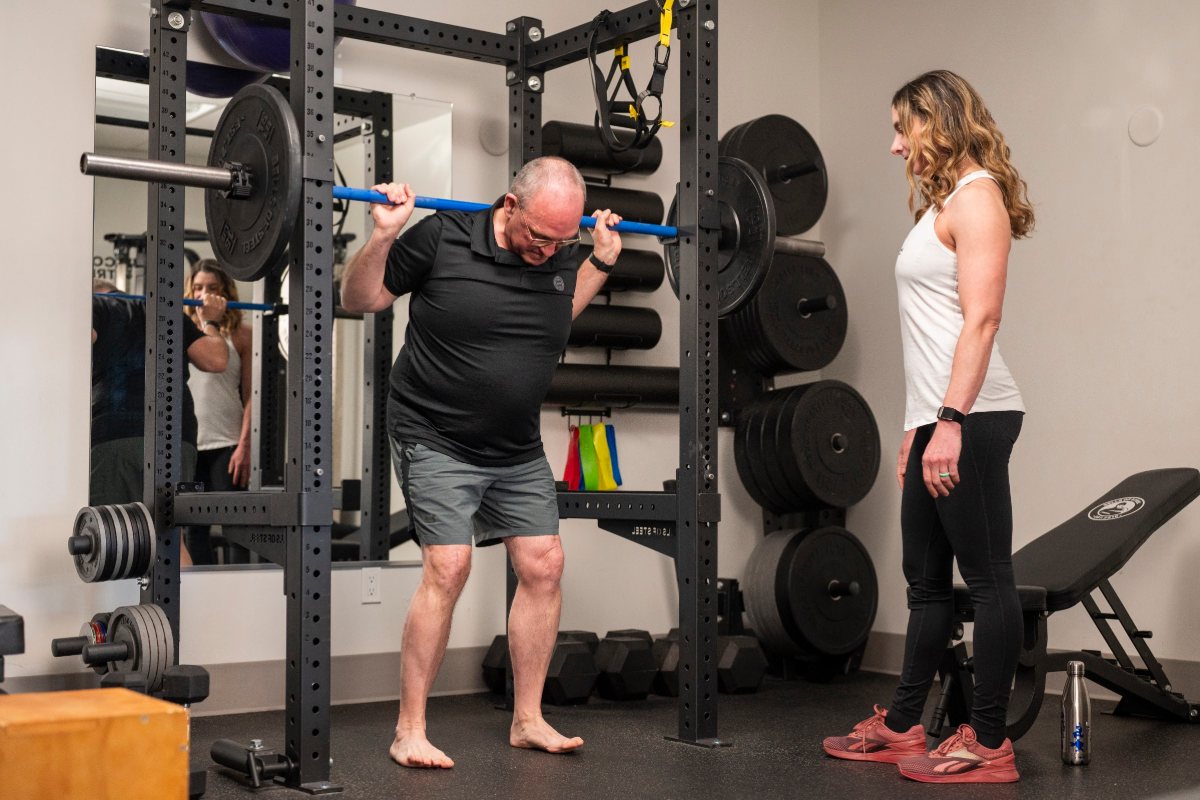
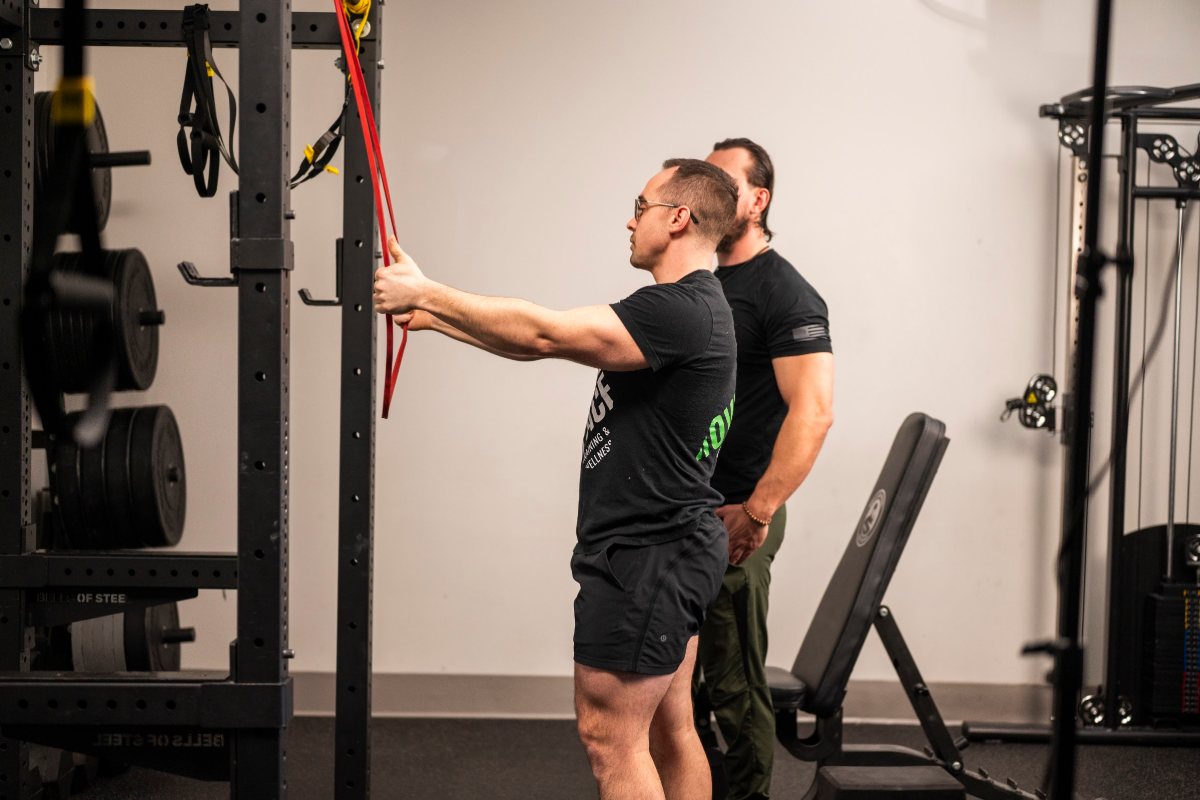
At Movement Space, hands-on care and movement go hand in hand. Once pain settles, building strength and mobility is what helps keep it from coming back. Many clients pair osteopathy with guided exercise from our coaching team so that the progress made on the table carries into everyday life.
Book Osteopathy in Orillia
If back pain is getting in the way of work, sleep or the activities you enjoy, our Manual Osteopaths can help you understand what is going on and build a plan to move better. Learn more about Osteopathy at Movement Space or book an appointment online.
This article is for general information and is not a substitute for individual medical advice. If you have severe or worsening symptoms, numbness, or loss of bladder or bowel control, seek medical care right away.