At Movement Space, we offer acupuncture through two distinct approaches: Medical Acupuncture and Traditional Chinese Medicine (TCM) Acupuncture.
Both approaches use fine, sterile, single-use needles, but differ in their assessment methods, treatment philosophies, and clinical applications.
Whether you're seeking support for musculoskeletal discomfort, recurring headaches, or other health concerns, our goal is to help you understand your treatment options and determine which approach may be appropriate for your needs.


It has been used for centuries within Traditional Chinese Medicine and is also practised within contemporary healthcare using anatomical and physiological principles. Research suggests acupuncture may help manage certain types of pain and some other symptoms, although its effectiveness varies depending on the condition. At Movement Space, acupuncture treatments are individualized according to your health history, symptoms, treatment goals, and the approach used by your practitioner.


An anatomy-based approach to pain management and physical function.
Medical acupuncture uses contemporary knowledge of anatomy, physiology, and the nervous system to guide needle placement and treatment. This approach commonly focuses on musculoskeletal concerns, pain modulation, and physical function. Treatment begins with a review of your symptoms, relevant health history, and physical findings. Your practitioner may assess movement, muscle function, and areas of discomfort to determine an appropriate treatment approach.
Medical acupuncture may be considered for:
Back and neck pain
Muscle-related discomfort
Certain types of persistent musculoskeletal pain
Some headaches
Joint-related discomfort
Pain affecting movement and daily activities
When appropriate, medical acupuncture may complement manual therapy, movement education, and exercise-based rehabilitation.

A traditional approach that considers patterns of symptoms and overall well-being.
Traditional Chinese Medicine acupuncture is based on a system of healthcare developed over centuries. Within this framework, practitioners assess patterns of symptoms using traditional concepts such as Qi, meridians, and the balance of Yin and Yang. A TCM assessment may consider several aspects of your health, including sleep, digestion, stress, energy levels, and physical symptoms. These traditional concepts guide treatment planning and acupuncture point selection. They represent a traditional explanatory framework rather than established anatomical structures.
People may explore TCM acupuncture for concerns such as:
Musculoskeletal discomfort
Certain types of headaches
Stress-related symptoms
Sleep-related concerns
Digestive symptoms
General well-being
Step 1
Your practitioner will review your health history, symptoms, concerns, and treatment goals. The assessment will vary depending on whether you are receiving Medical Acupuncture or TCM Acupuncture.
Step 2
Your practitioner will explain the proposed treatment and obtain your consent. Fine, sterile, single-use needles are inserted into selected points. Needle placement and treatment duration depend on your needs and the approach being used.
Step 3
You may experience a brief pinch, tingling, warmth, or dull aching sensation during treatment. Your practitioner will monitor your comfort and adjust treatment when necessary.
Step 4
Your practitioner may discuss your response to treatment, self-management strategies, and whether additional appointments or other forms of care may be appropriate.

We recognize that people seek acupuncture for different reasons and may benefit from different approaches. By offering both Medical Acupuncture and Traditional Chinese Medicine Acupuncture, Movement Space provides options informed by different assessment and treatment frameworks.
Our collaborative environment also allows acupuncture to complement other services, including massage therapy, osteopathy, and exercise-based rehabilitation when appropriate. Our priority is to help you understand your options and make informed decisions about your care.
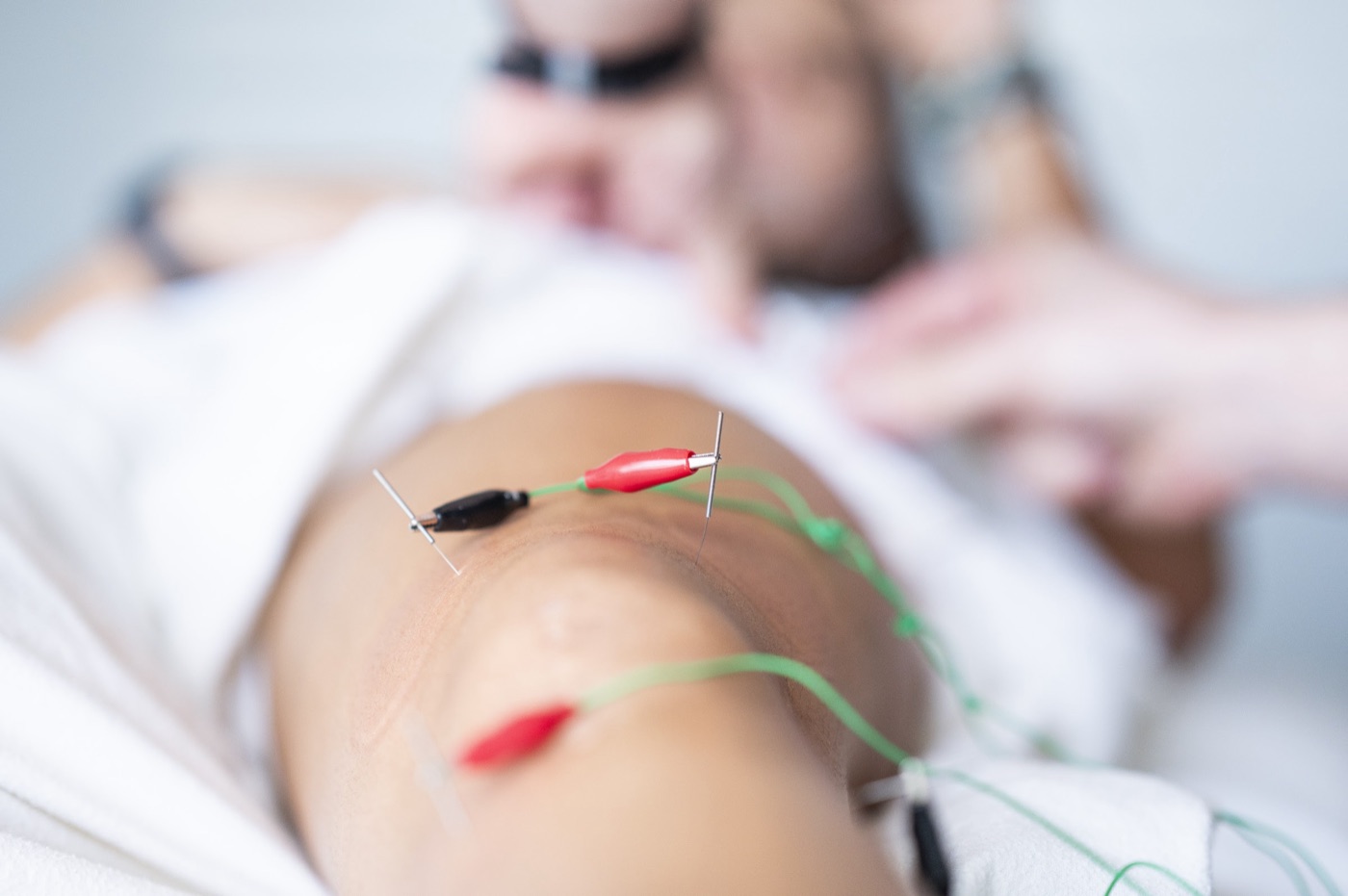
Medical Acupuncture may appeal to individuals seeking an anatomy-based approach to musculoskeletal pain and physical function. Traditional Chinese Medicine Acupuncture may appeal to individuals interested in a traditional assessment framework that considers a broader range of symptoms and aspects of well-being. There is overlap between the two approaches, and neither is necessarily better for every condition. The most appropriate choice depends on your concerns, treatment preferences, the practitioner's qualifications, and the available evidence.

Explore the acupuncture approach that best suits your needs. Whether you're interested in Medical Acupuncture or Traditional Chinese Medicine Acupuncture, our team can help you understand your options and determine an appropriate starting point. If you're unsure which service to book, contact us and we'll help you decide.
Book Acupuncture